
Hey Team,
Every quarter I try to step back from the day-to-day noise and focus on what actually matters. There are finally a few reasons for apartment owners to be optimistic. The market isn't firing on all cylinders yet, but several key indicators are moving in the right direction. Let's start with rent growth.
Capital Markets Update:
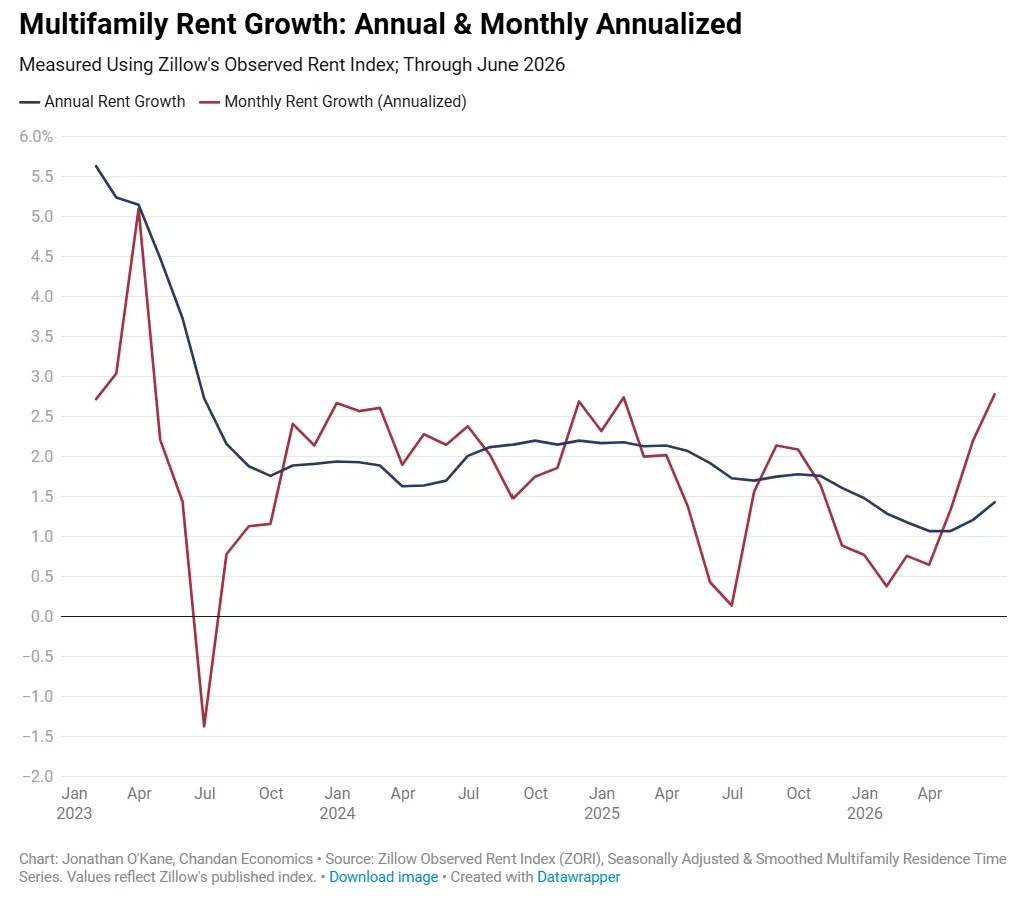
After nearly four years of slow (and declining) rent growth, Q2 showed encouraging signs that the market may be beginning to turn the corner. Zillow's Observed Rent Index (ZORI) reported annual rent growth of 1.4% in June, while month-over-month rent growth reached its strongest pace since early 2023.
Nearly 90% of major U.S. metro areas posted positive year-over-year rent growth, suggesting the record wave of new apartment supply is gradually being absorbed.
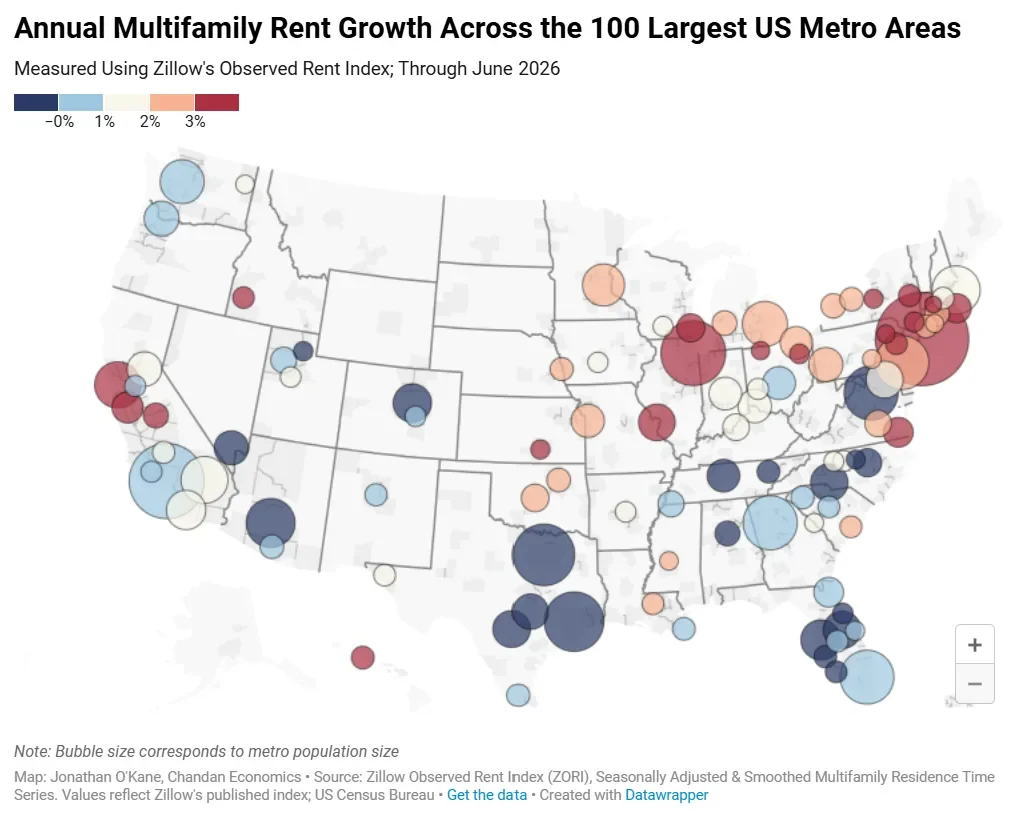
Regional performance, however, remains highly localized. Markets across the Midwest, Northeast, and Northern California continue to lead the nation in rent growth, benefiting from more balanced supply pipelines and resilient demand.
Meanwhile, several Sun Belt markets are still working through elevated levels of new apartment deliveries, resulting in softer rent growth and, in some cases, modest year-over-year declines. Currently rent growth in Asheville is still muted as the area is still working through over-supply, but Greenville is beginning to see rent growth recovery as the supply pipeline is drying up. While near-term performance varies by market, the broader trend suggests that supply pressures are gradually normalizing and the long-term outlook for multifamily investing continues to improve.
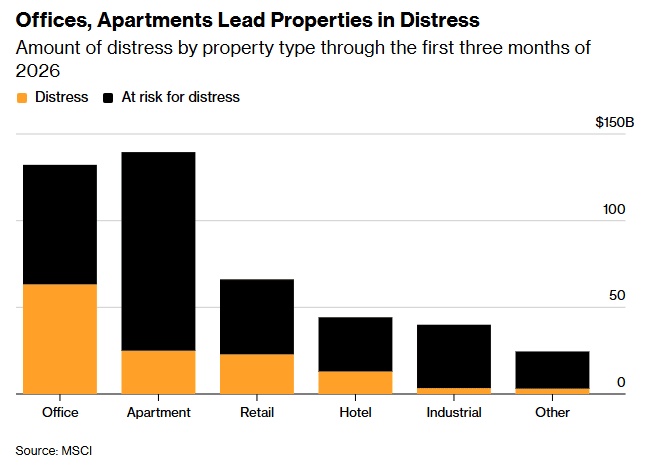
CRE Distress: In Q1, Ready Capital announced the sale of a portfolio of apartment loans at an approximate 30% discount and is actively marketing an additional $1.5 billion of legacy commercial real estate debt. The transaction highlights a broader shift across the lending industry as banks and debt funds move beyond extending troubled loans and begin clearing distressed assets from their balance sheets.
While office properties continue to account for the largest share of distress, multifamily has also experienced pressure in select oversupplied Sun Belt markets. Although the reset is painful for some owners and lenders, resolving distressed debt should improve pricing, increase transaction activity, and create attractive acquisition opportunities for well-capitalized investors.
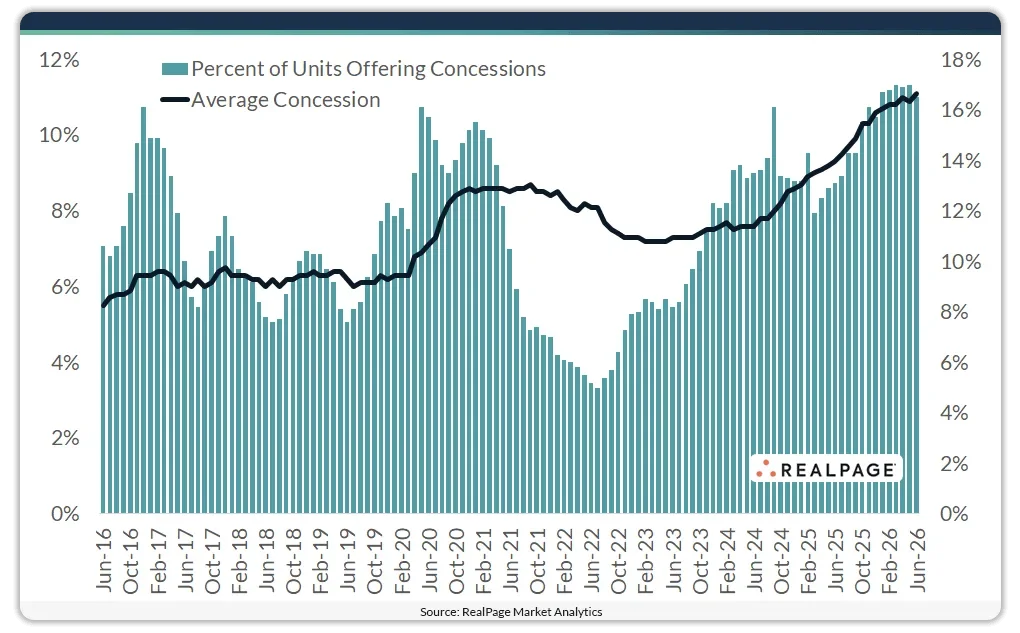
Elevated concession activity remains another byproduct of the record apartment supply delivered over the past several years. In June, approximately 16.5% of stabilized apartment communities offered leasing incentives, with the average concession equating to roughly six weeks of free rent. These incentives remain most prevalent in supply-heavy markets where newly delivered communities are competing aggressively for tenants. While concessions continue to pressure near-term revenue growth, they are largely a reflection of temporary supply imbalances rather than weakening renter demand. As new construction slows and recently delivered units are absorbed, we expect concession activity to gradually normalize alongside improving rent growth.
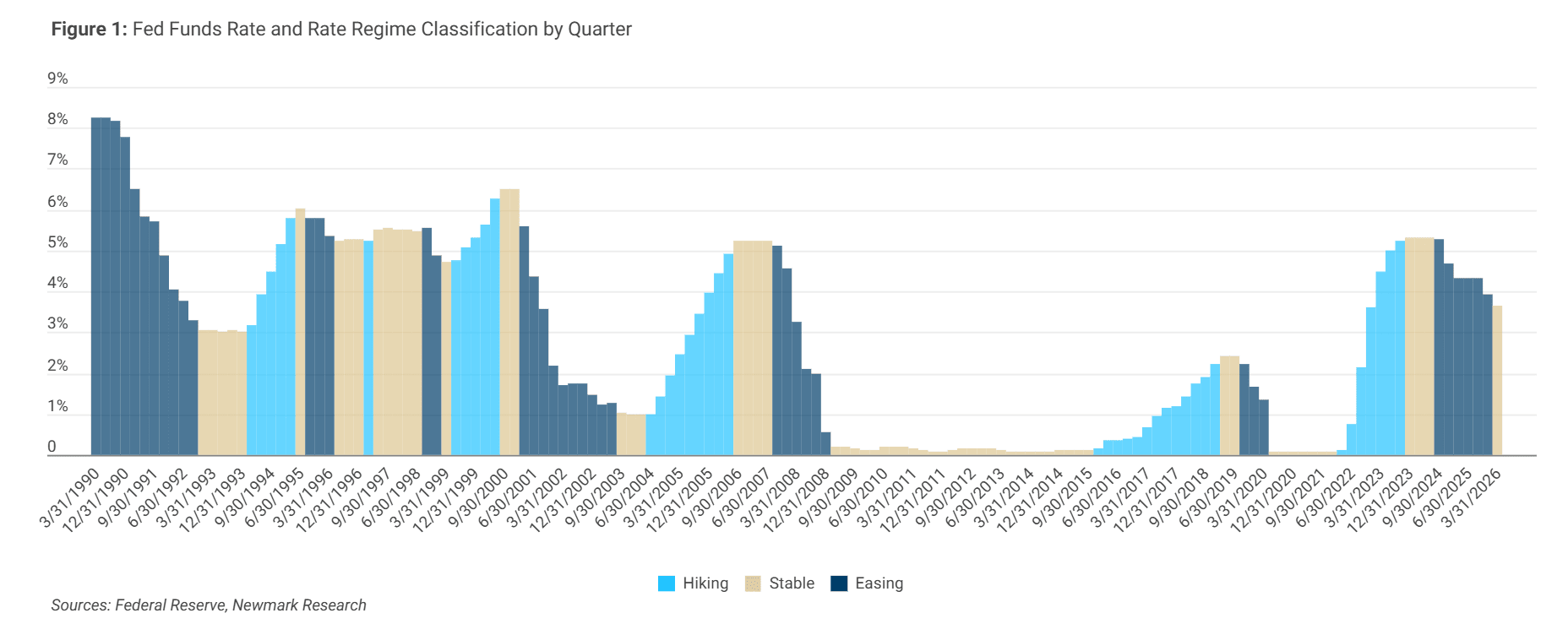
I found the chart below extremely interesting and unintuitive.
Although many investors are waiting for lower interest rates to drive a recovery in commercial real estate, history suggests fundamentals matter far more than Fed policy alone.
Newmark Research found that commercial real estate has historically generated stronger returns during periods of stable interest rates than in the years following rate cuts, largely because rate cuts often occur alongside a weakening economy. While lower borrowing costs would certainly be welcomed, we remain focused and disciplined on acquiring well-located assets in growing markets with strong demand.
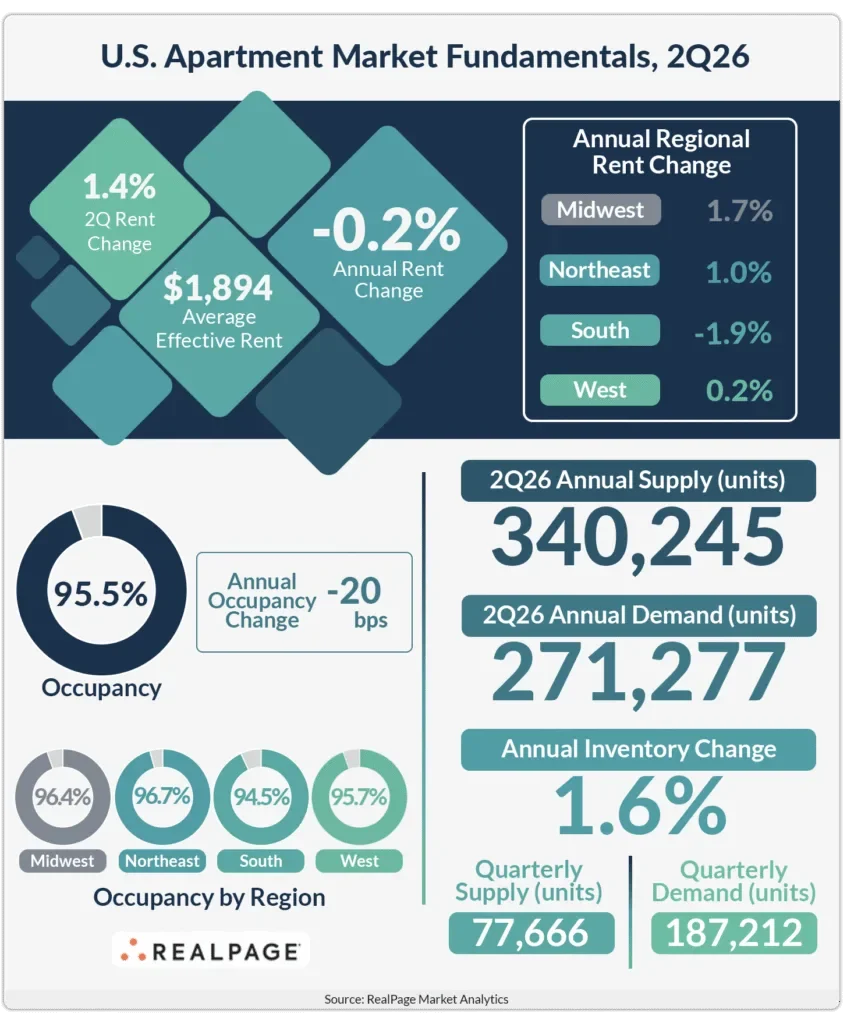
Supply & Demand: The record wave of new apartment construction continues to moderate, with annual deliveries declining to approximately 340,000 units—the first time in three years that new supply has fallen below the historical average. At the same time, demand strengthened during Q2, allowing the market to absorb recently delivered units and continue moving toward a healthier balance.
Occupancy & Rent Growth: Improving supply-demand fundamentals pushed national occupancy to 95.5%, marking the second consecutive quarter of occupancy gains. While annual rent growth remains modest, quarterly rent growth accelerated to 1.4%, suggesting pricing power is gradually returning as excess supply is absorbed across much of the country.
SC Legislation Impacts Multifamily Investors
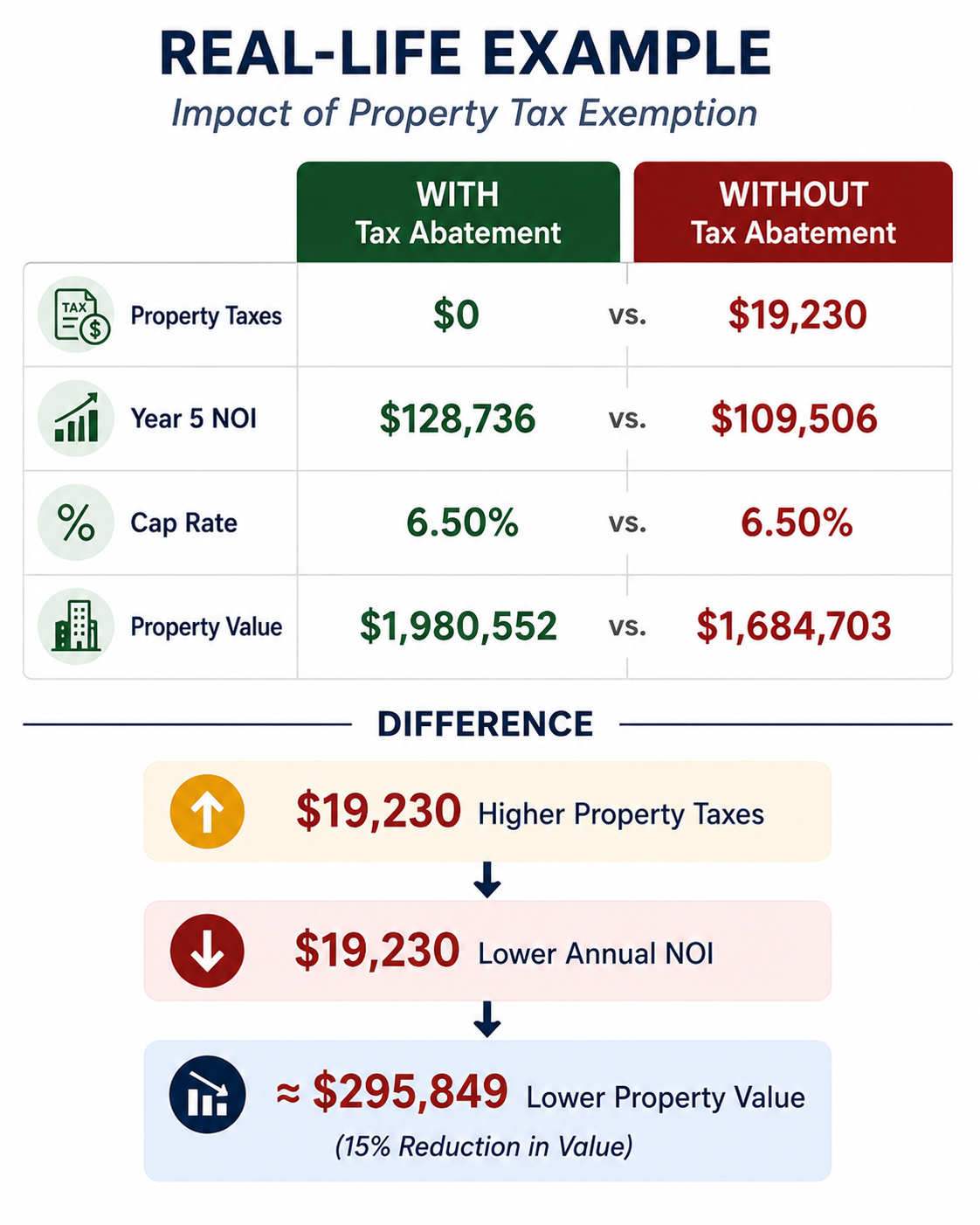
One of the most significant developments this quarter for South Carolina multifamily owners was the state's decision to temporarily suspend approvals of new low-income housing property tax exemption applications through June 30, 2027. While existing exemptions remain in place, buyers pursuing new acquisitions can no longer assume they will receive the same property tax benefits that have supported many transactions over the past several years.
As illustrated, annual property taxes can have a meaningful impact on property value. In this real-world example, eliminating the exemption reduces annual Net Operating Income by approximately $19,000, resulting in nearly a $300,000 reduction in value at a 6.5% capitalization rate—roughly a 15% decline in value.
Ryan and I have intentionally not built our investment strategy around the property tax abatement program. While the exemption can create value, it also introduces legislative risk and reduces flexibility when exiting an investment, as the pool of buyers willing to utilize the program is significantly smaller. Rather than relying on tax policy to support investment returns, we prefer to acquire properties that generate attractive cash flow based on strong operations, detailed underwriting, and thorough business planning.
Looking ahead, we believe the legislative changes may create attractive acquisition opportunities across South Carolina. Over the past several years, many apartment transactions, particularly Class C workforce housing communities, were priced assuming buyers could utilize the property tax exemption, supporting values that were often 15%–20% higher than they otherwise would have been. With that assumption now unavailable for many new acquisitions, we expect pricing to adjust accordingly. While the transition may be challenging for some owners, we believe it should lead to more rational valuations and a healthier investment environment for disciplined buyers. As a result, we remain optimistic about our ability to identify well-priced opportunities in South Carolina without relying on tax-driven returns.
510 Capital Update:
Potential Acquisitions: Ryan and I have explored a few promising acquisitions this quarter. Deal flow is still more limited than we would like, but we have seen an improvement in deal flow from Q1. We still believe 2026 could shape up to be an attractive buying environment. Hopefully we’ll have an investment opportunity for you soon!
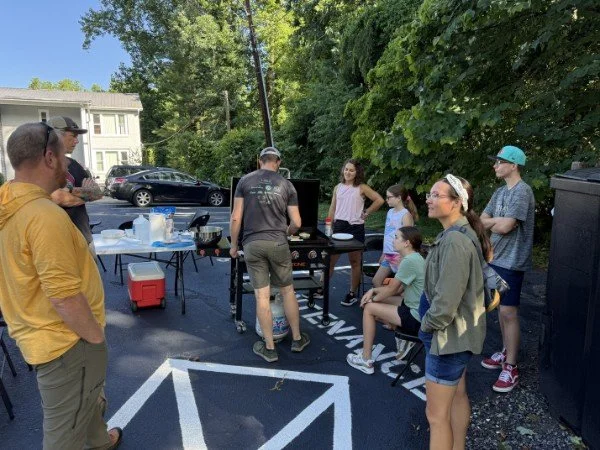
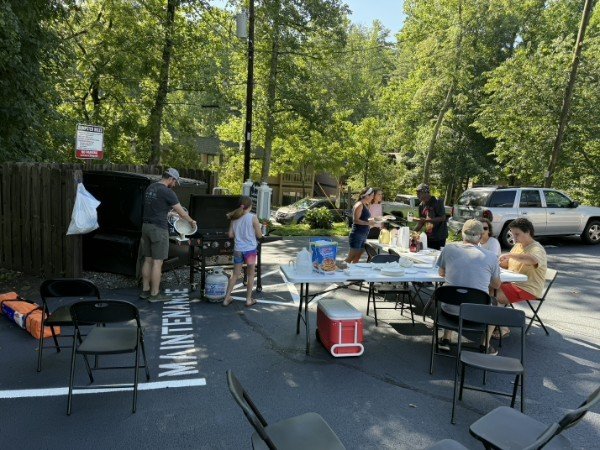
Community Engagement - Pancake Breakfast! In June, we partnered with First Baptist Church of Hendersonville to host a pancake breakfast for the residents at one of our properties. We were encouraged by the strong turnout. While our primary objective is to generate strong investment returns, we also believe that fostering a positive sense of community benefits both our residents and the long-term success of the property. We hope to partner with First Baptist on similar events in the future.

Market Blurbs:
In Western North Carolina, the story is similar to last quarter. We are still working through new supply and market headwinds, but our long-term perspective is bullish for the area.
The Upstate of South Carolina seems to be at the tail end of the cycle. We’re seeing strong absorption and supply is beginning to normalize. We are starting to see modest rent growth in the Upstate and hope to see more in the next 12 months.
Notable Reads:
Ryan’s Pick:
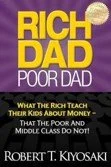
Rich Dad Poor Dad by Robert Kiyosaki: This book really helped to shape my view of money and realize that not all assets are the same. I began to prioritize assets that produce cash flow and while our underwriting today is more complex than when we started, the number one metric I still focus on when stress testing our underwriting is cash flow.
Luke’s Pick:
Living Life Backwards by David Gibson: This may be one of my favorite books I've read in the past few years. It's a short, thought-provoking look at the book of Ecclesiastes and offers an incredible perspective on life, work, wealth, and success. If you enjoyed my recommendation of Die With Zero last year, I think you'll really appreciate this one. It's ultimately rooted in Biblical wisdom, but regardless of your background, I believe the principles are timeless and worth wrestling with.
I enjoyed it so much that I'd be happy to send you a free copy. If you're interested, just reply to this email and I'll put one in the mail.

As always, we appreciate your partnership.
Till next time,
Luke